Region
Northern
Best time to visit
January–March and June–October (drier); avoid heavy rains if possible
Key wildlife
Black-and-white colobus, blue monkey, forest birds, high-altitude rodents
Africa’s highest peak (5,895 m) and the world’s tallest free-standing mountain—a non-technical trek through rainforest, moorland, and ice-capped summit.
About Mount Kilimanjaro
Mount Kilimanjaro is not just a mountain; it is a journey through five distinct ecosystems—from tropical rainforests to arctic ice caps. As Africa’s highest peak and the world’s tallest free-standing mountain, "Kili" offers an accessible yet life-changing adventure for those ready to stand above the clouds.
Why Climb with Elevated Tanzania Safaris?
Expert Guidance: Our certified guides possess intimate knowledge of the terrain and weather patterns, ensuring your safety is our top priority.
High Success Rates: We focus on "pole pole" (slowly, slowly) pacing and acclimatization to help you reach Uhuru Peak.
Tailored Logistics: From nutritious mountain meals to high-quality camping gear, we handle the details so you can focus on the climb.
Why go
Highlights of this destination
Summit sunrise
Stand on the crater rim as the sun clears the clouds over Africa.
Ecological zones
Traverse rainforest, heath, alpine desert, and arctic summit in days.
Multiple routes
Pick duration, scenery, and acclimatisation to match your fitness.
What to do
Activities & experiences
Trekking
6–8 day typical itineraries to the summit
Acclimatisation hikes
Climb high, sleep low on longer routes
Cultural add-ons
Coffee farms and Chagga villages near Moshi
Gallery
Mount Kilimanjaro in pictures
Tours visiting Mount Kilimanjaro

5 Days Hiking Mountain Kilimanjaro Through Marangu Route
Climb Mount Kilimanjaro on a 5-day trek via the Marangu Route, the only path with hut accommodations. This direct route passes through rainforest, moorland, and alpine desert before reaching Uhuru Peak. Best suited for trekkers with limited time and prior altitude experience.
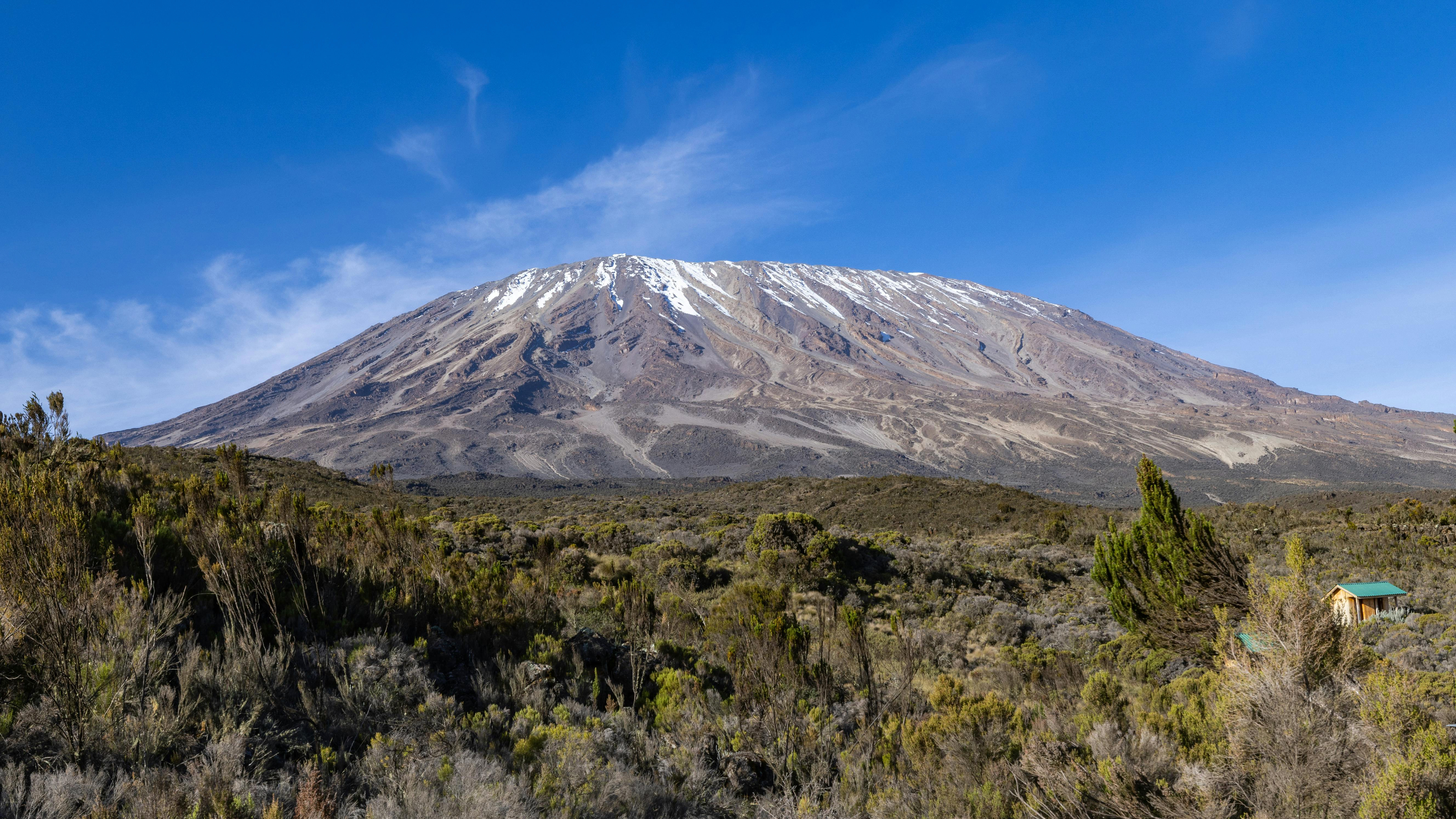
7 Days Hiking Mountain Kilimanjaro Through Machame Route
Climb Mount Kilimanjaro on a 6-day trek via the Machame Route, known for its scenic variety and rewarding challenge. Often called the “Whiskey Route,” it takes you through rainforest, moorland, and alpine desert landscapes before reaching Uhuru Peak. With a “climb high, sleep low” profile, this route offers better acclimatization and is ideal for adventurous trekkers seeking a more immersive Kilimanjaro experience.
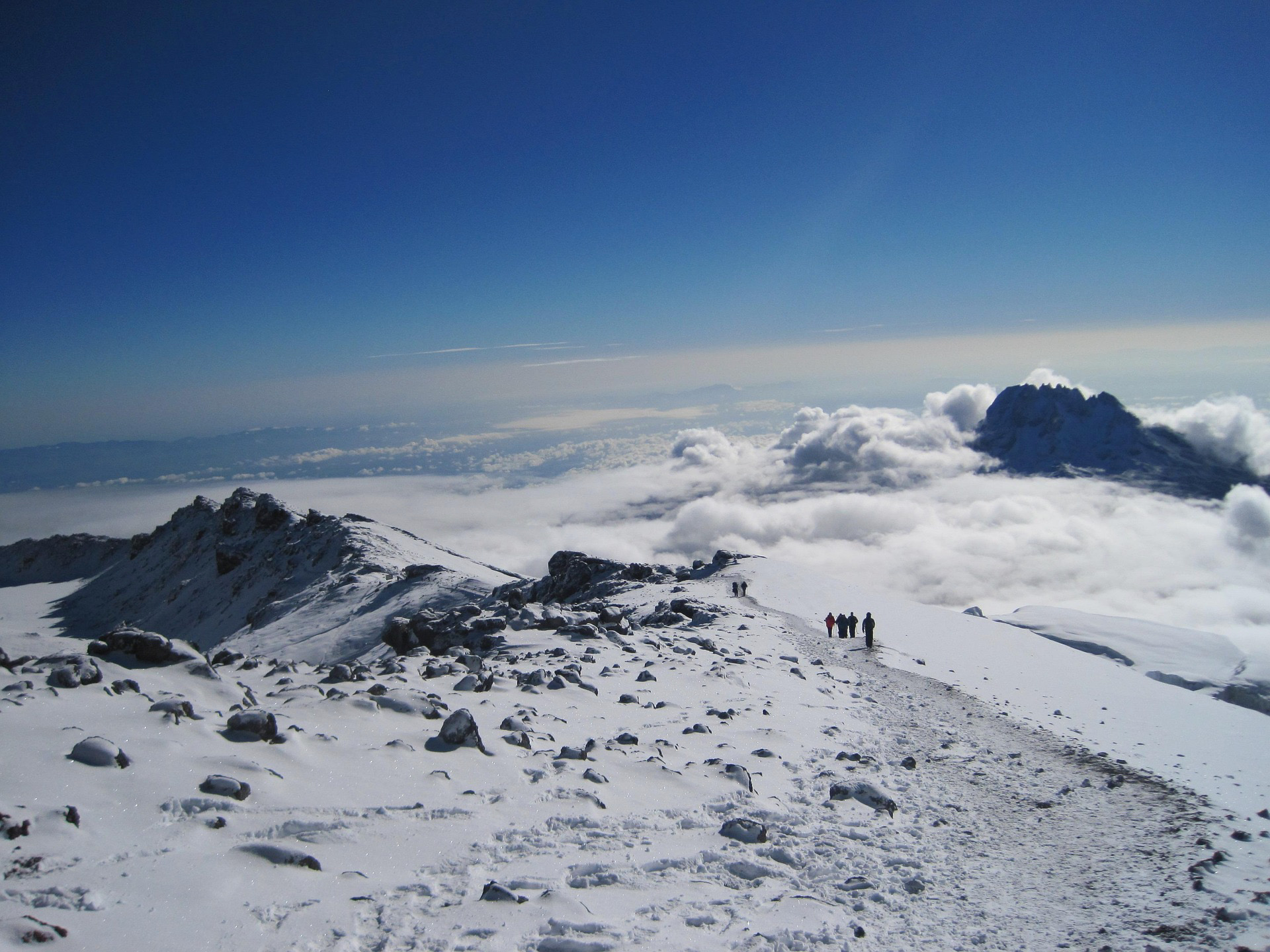
6 Days Hiking Mountain Kilimanjaro Through Marangu Route
Climb Mount Kilimanjaro via the Marangu Route, with hut stays, scenic zones, and extra acclimatization for a smoother trek to Uhuru Peak.
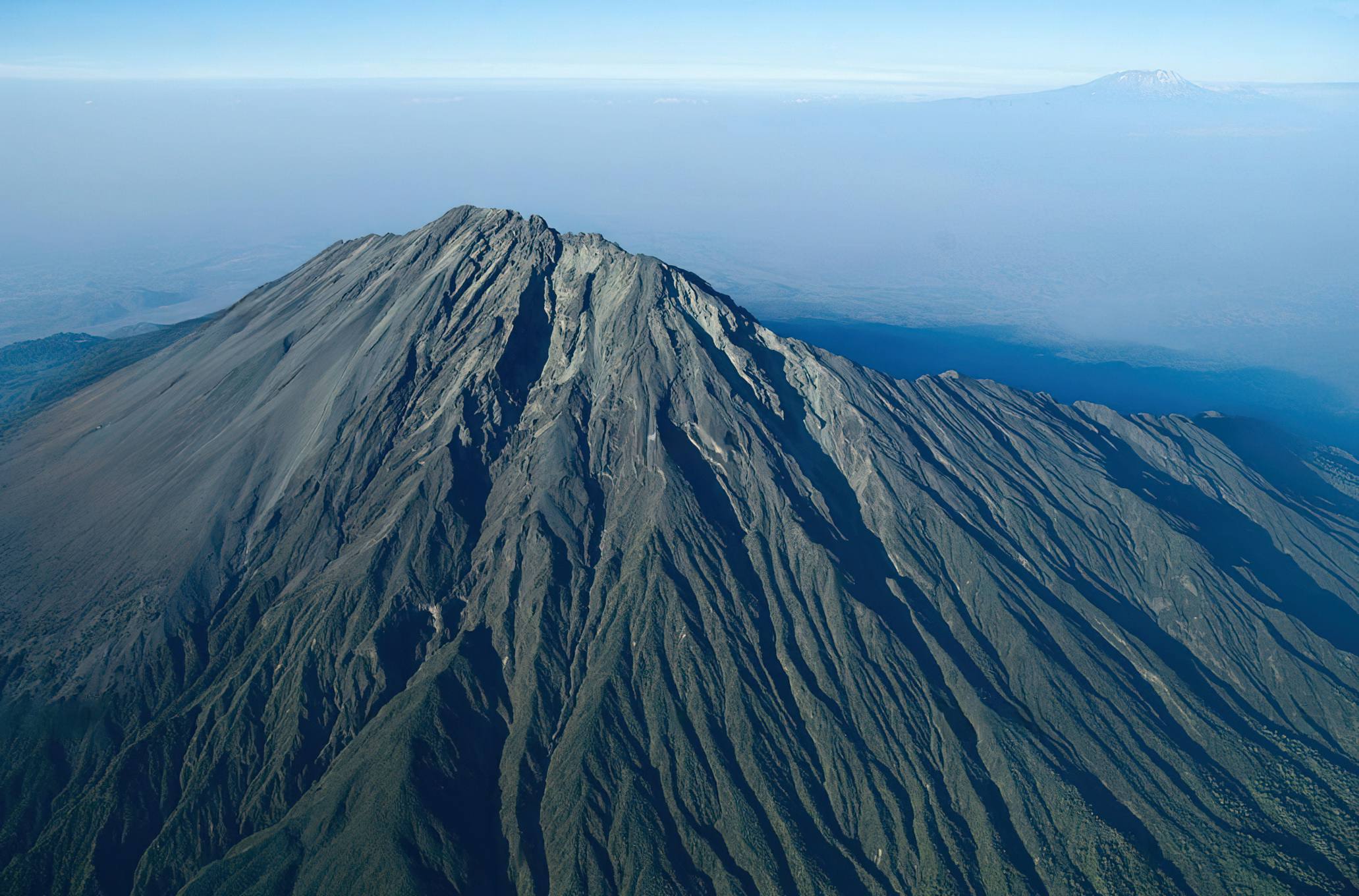
4 Days - Mount Meru Summit Trek: Adventure in the Wild Highlands
Mount Meru Summit Trek: Adventure in the Wild Highlands